



February 24, 2026
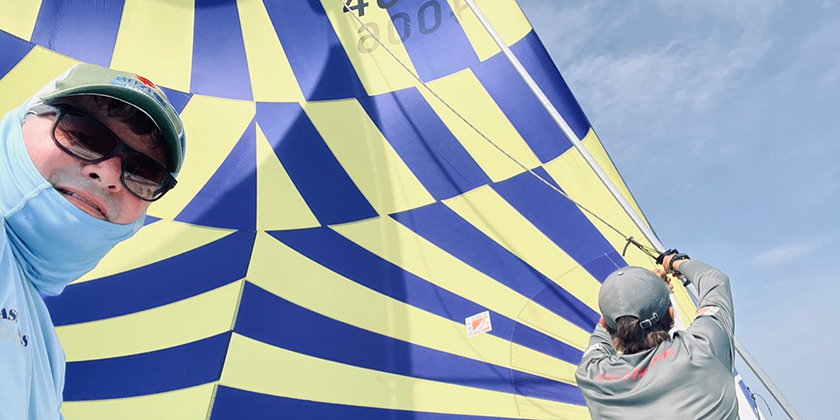
Keven on Sails: A Season of Double Handed Racing
February 26, 2026 Last season, my son and I took part i…
January 20, 2026
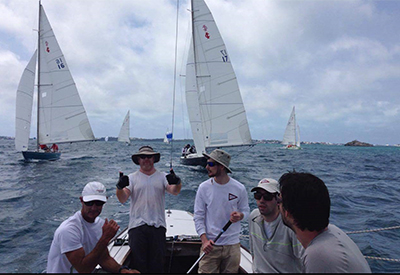
Keven Talks Sails: Winter Voyage Preparation
January 22, 2026 This is the time of year for planning…
May 20, 2025
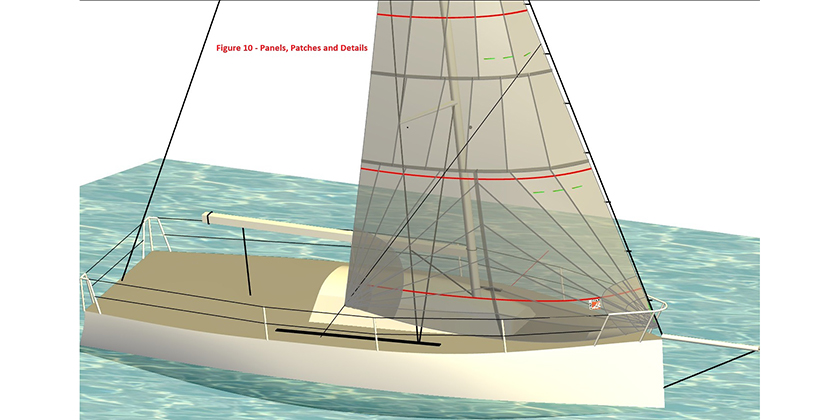
Sail Design: From Measurements to Build Ready Project – Part 2
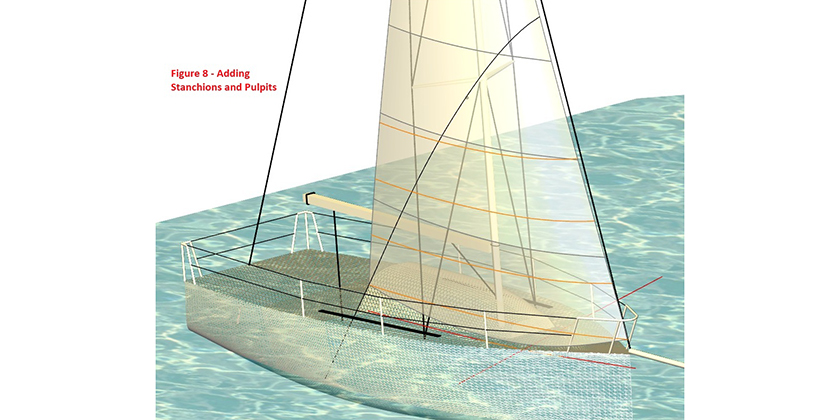
May 22, 2025 Last issue Part 1 looked at the initial st…
May 6, 2025
Sail Design: How sails are designed – from measurements to build ready project
May 8, 2025 By Keven Piper There are as many ways to de…
February 25, 2025
Keven talks sails: Developing a Sail Inventory for Short-Handed and Distance Racing
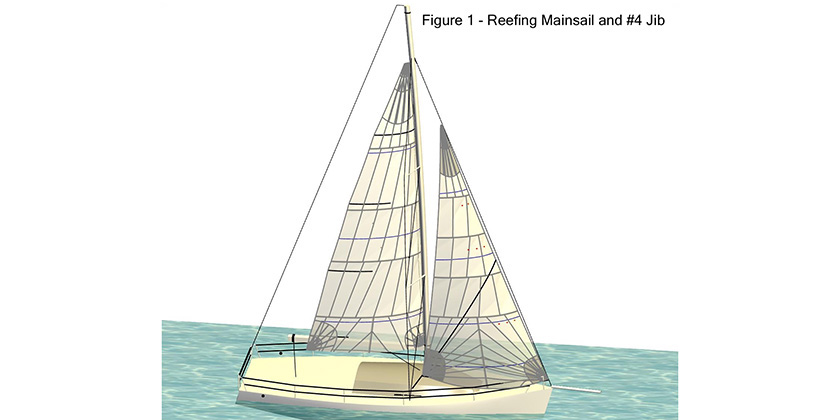
Feb 27, 2025 By Keven Piper, Bay Sails Introduction The…
September 10, 2024
Viewpoint: What Does NTG Acquisition Mean for Independent Canadian Sail Lofts?
Sept 12, 2024 By Keven Piper News of NTG (North Technol…
March 17, 2024
Triradial vs Crosscut Mainsails – Part 2
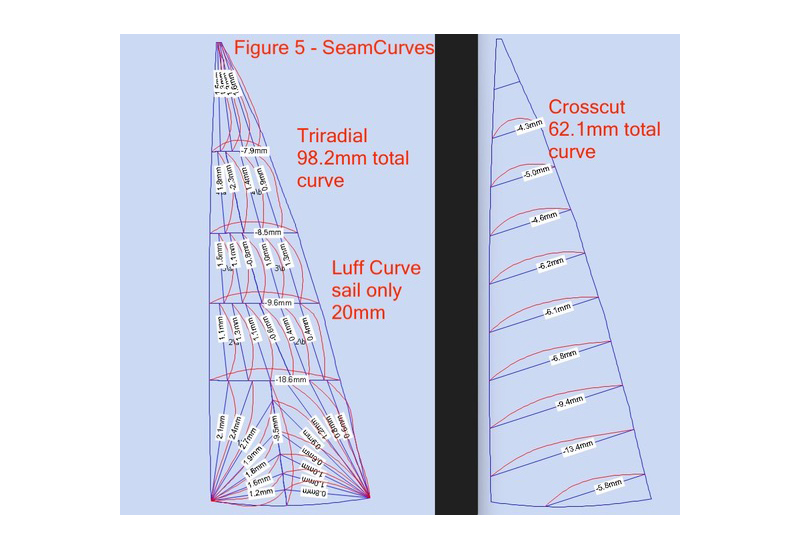
Mar 20, 2024 By Keven Piper, Bay Sails Part 1 takes a l…
December 11, 2023
Guide to Keel Maintenance – Part 2
Dec 13, 2023 Part 1 here: sailingincanada.ca/tech/guide…
November 28, 2023
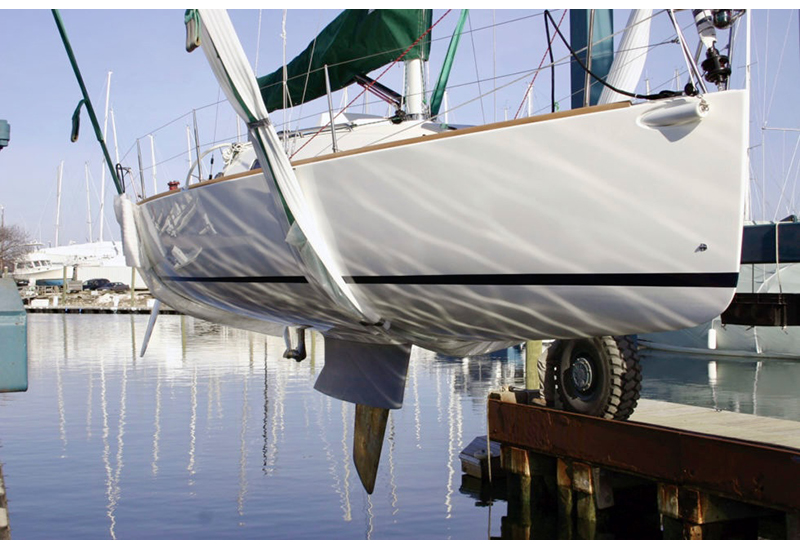
Guide to Keel Maintenance – Part 1
Nov 29, 2023 By William Souter, Custom Keel Sales &…
November 13, 2023
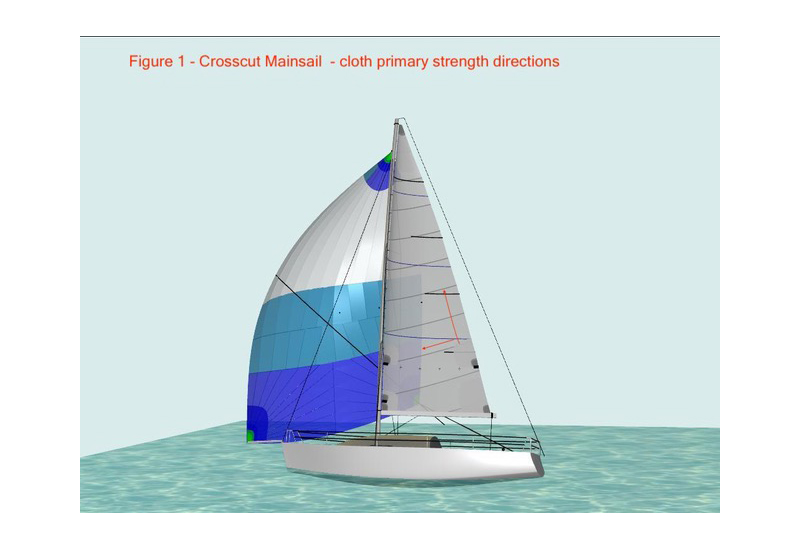
Triradial vs Crosscut Mainsails – Part 1
Mar 6, 2024 I had a very interesting conversation with…
October 28, 2023
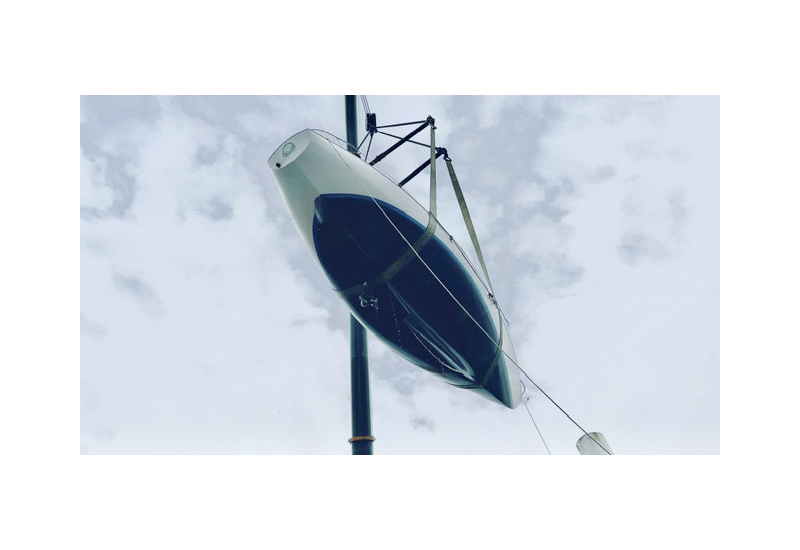
Keven Talks Sails: A Sailmaker’s Fall Haulout List
Nov 1, 2023 I’m going to let you all in on my secret fa…
July 31, 2023
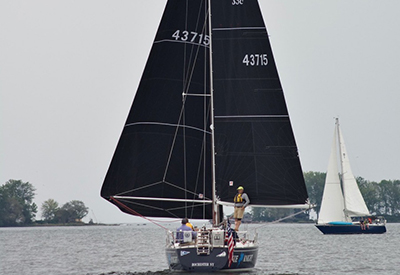
Keven Talks Sails: Whisker Pole Basics
Club Racing has evolved over the years, from primarily racer/cruisers flying spinnakers, to a fairly serious level of non-spinnaker racers. A quick look at race registrations around the Great Lakes shows most clubs having more NFS (Non-Flying Sails = no spinnakers) racers than Flying Sails racers.
July 17, 2023
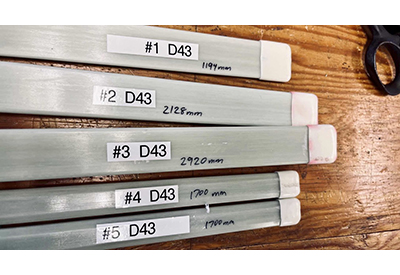
Keven Talks Sails: Battens – How to Keep Them in Your Sails
At the beginning of every season, I get large numbers of sailors calling and dropping by the loft to get replacement battens. Most of these batten losses are preventable if the sail is getting serviced regularly and the battens are installed correctly.
July 3, 2023
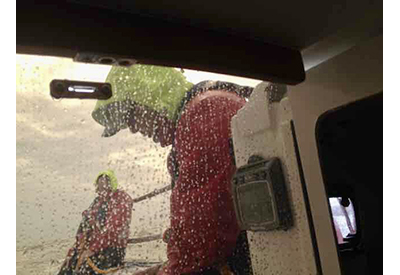
Keven Talks Sails: Sailing in Waves
When the wind builds waves also build creating large choppy waves and gradually increasing swells. These waves slow down your boat when you are trying to make windward progress. Every wave is like climbing a hill or punching through a wall, especially when the wind gets over 25 knots.
June 12, 2023
Keven Talks Sails: Sail Care for the Sailor
At the sail loft, we are always busy repairing and maintaining sails. Much of the damage we are fixing can be prevented with some simple sail handling tips.
January 17, 2023
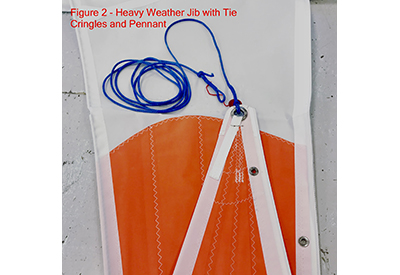
Keven Talks Sails: Preparing for Bad Weather – Part 2
Most sailors just don’t have practice sailing in really windy conditions. Club racers don’t go out if it is more than 25 knots (nor will the race committee). When doing a long-distance cruise or race, you don’t have much option if a squall runs at you.
January 3, 2023
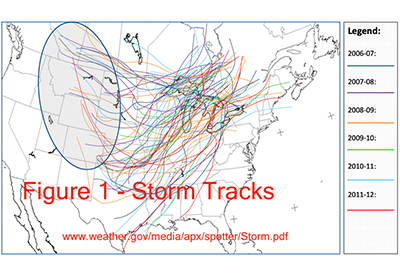
Keven Talks Sails: Dealing with Squalls – To Reef or Not to Reef
If you sail on the Great Lakes long enough, you are going to need to deal with summertime squalls. Because of the landlocked humid continental climate, we see very hot summer temperatures that lead to convective weather events.
November 15, 2022
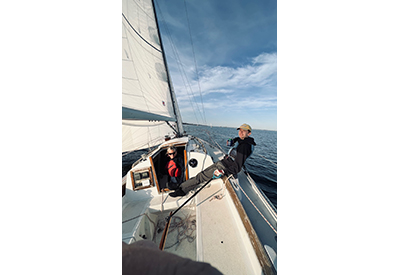
Keven Talks Sails: A Balanced Life
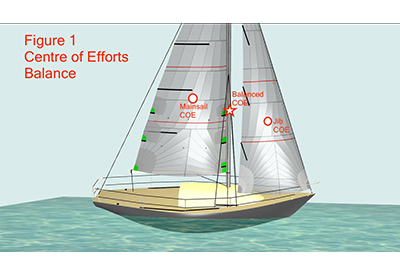
A balanced boat is key to performance and as the season winds down, let’s take a look at why and how. It’s that time of the year that we put our boats to bed and clean up the sailing locker.
August 16, 2022
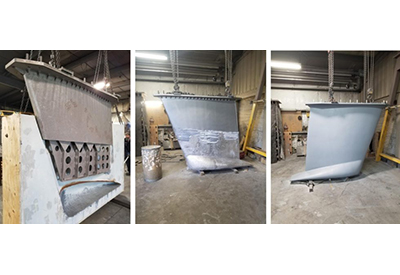
Dissimilar Metal Combination Keel For 68-Foot Modern Classic Cruiser/Racer
Working alongside a US-based designer and boat building company, Burlington ON’s MarsKeel Technology recently provided a dissimilar metal combination keel for a 68-foot modern classic cruiser/racer.
July 12, 2022
Sail Techology: Sailing in the Right Gear
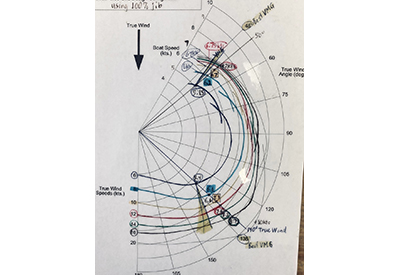
I was helping teach my daughters to drive a 5-speed manual over the last while, and they have gotten very good at it. The clutch has survived, and they willingly take that car when they need it, so I think that is a win. I only wish my customers would figure out the 3 gears they need to race a sailboat!
June 13, 2022
Sail Tech: Slugs, Slides, and Boltrope
Sails are attached to the sailboat rig using several different systems. Let’s begin with mainsails. The most basic attachment is with a boltrope that fits into a mast groove. This is very secure, and the sail is very well supported along the luff edge.
May 16, 2022
Sail Techology: Simple Sailing Tips… That Everyone Forgets
Sailing really is a simple sport, just you and the wind and waves. And the boat, an infernal contraption made of twisted ropes, slipping cleats and flapping sails. Ok, so sailing is simple when you tame Hydra’s nest and get all the ropey bits correct.
April 30, 2022
Sail Techology: Choosing Woven Sailcloth for a Sail
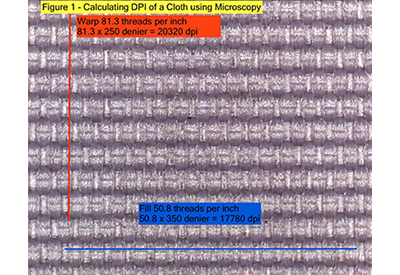
Even after 30 years in the business, I still love thumbing through the pages of Canadian Yachting magazine – the beautiful new boats, the latest electronics or sailing gear. I particularly like reading the advertisements describing something that I may or not know anything about. “Lighter, faster, stronger, brighter”.
March 14, 2022
Sail Techology: Pre-Season Sail Inspection
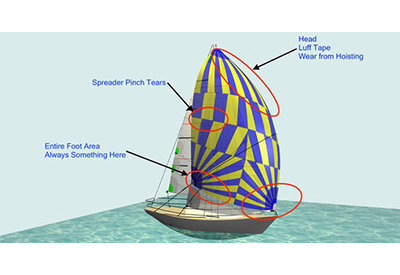
Many sailors get their sails into the sail loft for inspection at the end of the sailing season for a professional inspection, recuts and repairs. The sailmakers can quickly assess the condition, get the sail hung up on their pulling rig, check the shape of the sail, and easily take care of damaged stitching.
February 14, 2022
Sail Techology: Selecting your PHRF Racing Inventory
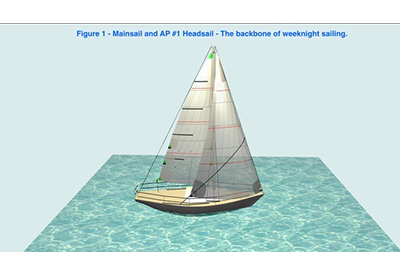
The Weeknight Grand Prix! There are more keelboats racing using a performance handicapping system like PHRF on any given night than all One Design fleets put together. There are some excellent measurement rule systems as well to get a performance handicap, but none are as easy to implement at the club level as PHRF.
January 14, 2022
Code Sails and Reaching Sails
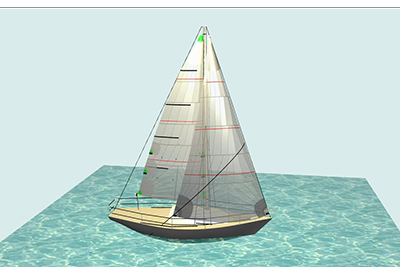
Over the last month we have been busy in the loft getting customers sails recut for the next sailing season. Two of the projects were interesting recut jobs. One involved an Asymmetric Spinnaker that wasn’t asymmetric enough to qualify for racing, and the other was a modern offshore one design boat from Europe with a Furling Asymmetric Spinnaker.
December 22, 2021
Keven Talks Sails: Do you need a Spinnaker for cruising?
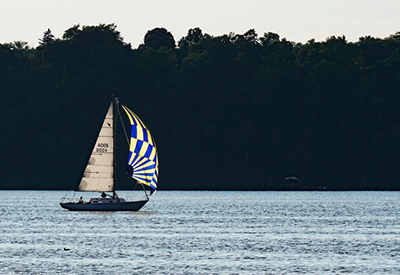
Do you really need a spinnaker for your cruising sailboat? Probably not, unless you are prepared to put it up some of the time. Half of cruising customers will never sail with a spinnaker, and that is fine.
November 24, 2021
Keven Talks Sails: Crosscut VS Triradial Sail Cutting
Over the last decade, sailcloth weaving equipment has evolved and allowed the production of low crimp warp oriented woven cloth of medium to heavy weights. We have had light weight warp wovens of 200g/m2 (4oz) or lighter for much longer than that, but the finer denier weaves of light sailcloth allowed that with older looms and setups.
September 22, 2021
Keven Talks Sails: UV Cover Cloth
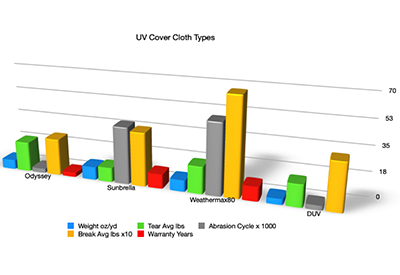
Last issue we covered types of headsail UV protective covers. All of these covers can be made of many different cover cloths, and I will give you the low down on how to choose what material is best for your application.
August 25, 2021
Keven Talks Sails: Headsail UV Covers
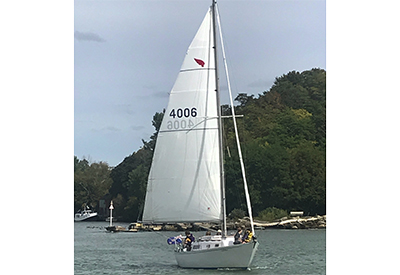
Did I ever mention how much I like headsail furling? I’ve been club racing our 30’ cruising boat lately, and it has been easily the equal to two more crew members on board. When you are double handing with a now 14 year old, with a spinnaker (Asymmetric in a Sock), the headsail furling is the only thing that keeps us from sailing off the course to handle sails.
June 22, 2021
Keven Talks Sails: Boat Tips from a Sailmaker
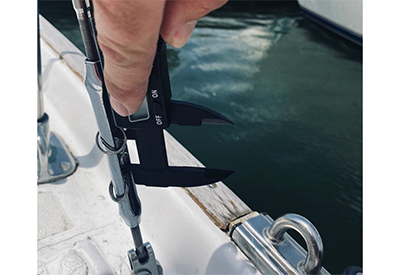
At the start of the season, many boat owners tend to do some things the hard way. Here are some tips to get you sailing in less time, and with better outcomes. Furling Lines – Furling system rope that squishes flat, tends to bury itself in the spooled up drum if you are sailing reefed.

June 22, 2021
Technology: Michelin develops giant inflatable sails
French multinational Michelin has announced its Wing Sail Mobility project (WISAMO) solution – an automated, telescopic, inflatable wing that can be fitted on all types of vessels, including cargo ships and pleasure craft.
May 26, 2021
Keven Talks Sails: Headstay Sag
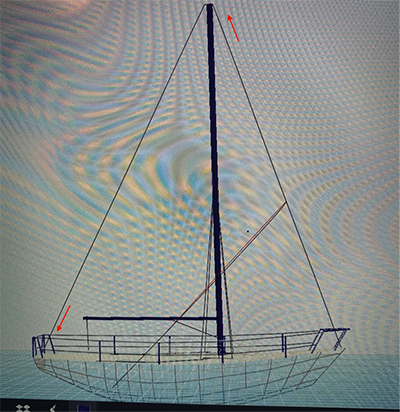
Every boat with a jib attached to a stay has headstay sag. If every boat has it, what does it do, and how do you control it.
April 21, 2021
Keven Talks Sails: Mast Bend explained
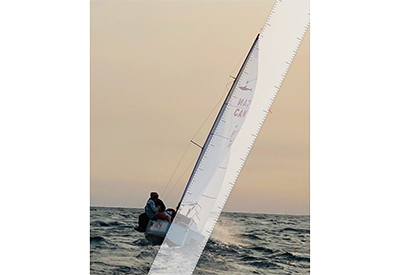
Everyone is always talking about mast bend; what is it, and what does it do? There are two types of mast bend. Fore and aft bend, and sideways bend. Sideways bend, in the below photo, is the least common type of bend that sailors talk about, unless they are in some particular racing classes where it can help tune the sails.
April 7, 2021
Keven talks sails: Sail Handling of Modern Asymmetric Spinnakers
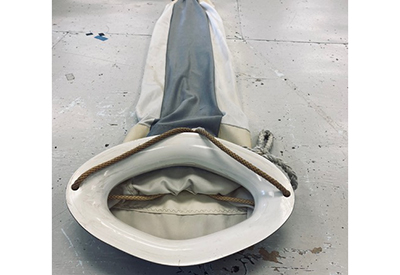
Everyone who is ordering a new Asymmetric Spinnaker always ask about how they should handle it. What are the available methods these days? Nothing, Retrieval Lines, Snuffers, Bottom Up Furling, Top Down Furling, Luff Loaded Top Down Furling.
February 24, 2021
Want to be a better linesman? Know your ropes and where to use them.
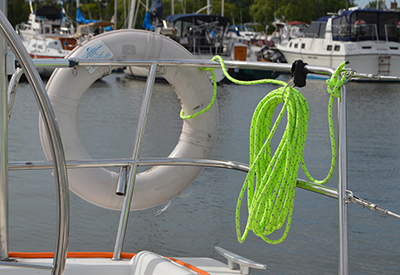
On Port Credit YC’s regular Online Wednesday night speaker series, Morten Fogh and Cam Copeland from Fogh Marine shared some of the secrets from the Geek World of Ropes. Not to be selfish, I thought I would share some of their knowledge with you.
February 24, 2021
Making Sense of Modern Asymmetric Spinnakers
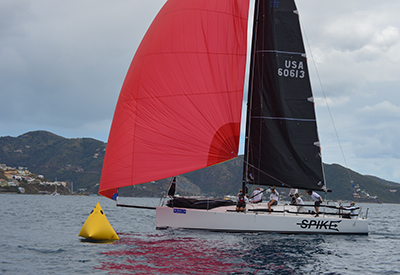
Modern asymmetric spinnakers are likely the sail with the most different available versions to choose from, and this makes them a bit confusing for most sailors. Let’s start with the names of the different asymmetric spinnakers.
January 27, 2021
Keven talks sails: The Racing In and Outs of Headsail Furling
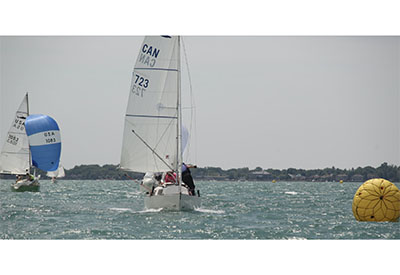
This month I will discuss some tactical reasons for wanting to be able to roller furl or reef the headsail. Most modern furling systems are so reliable and easy to use, that you can furl or unfurl the headsail in seconds.
December 16, 2020
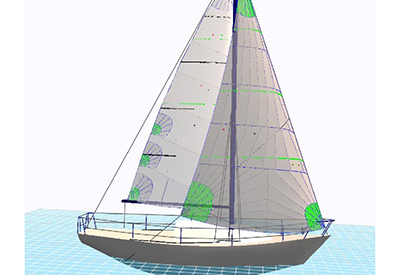
Keven talks sails: The Ins and Outs of Headsail Furling
Many of my club and distance racing customers show up at the loft asking for a full-hoist, deck-tacked genoa to fit on their headsail furler, but bypass the drum to get the clew low. I always ask; “Does the furling not work?”. “No it works, but the last sail we had cut for furling didn’t point very well and the UV cover on the sail was really heavy.”